What Are Neodymium and Ferrite Magnets in Professional Speakers?
- Share
- Issue Time
- Sep 10,2026
Summary
This article explores the pivotal role of magnets in professional speaker technology, focusing on the two predominant types: neodymium and ferrite. It details the fundamental process where a speaker's permanent magnet interacts with an electromagnet (voice coil) to convert electrical signals into sound waves through cone vibration. The choice of magnet significantly influences a speaker's performance characteristics, including sensitivity, sound accuracy, physical size, weight, and cost.
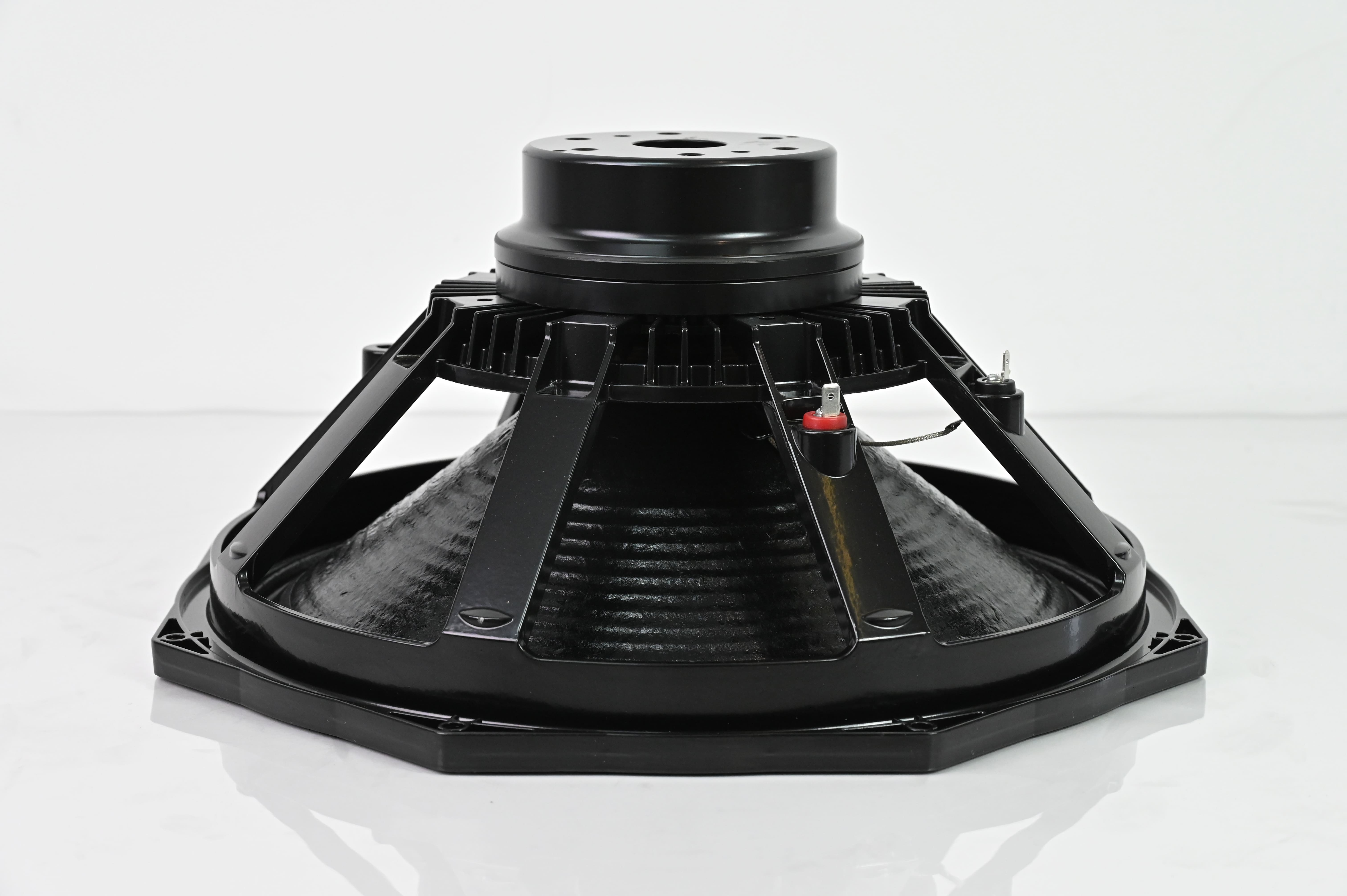
Have you ever wondered what makes your professional speakers produce such amazing sound? It all comes down to tiny but powerful components: magnets. In the world of audio, especially professional speakers, two main types of magnets rule the stage: neodymium and ferrite. Join me as we dive into what these magnets are, how they work in speakers, and why understanding their differences is key to choosing the best sound.
Unveiling the Role of Magnets in Professional Speakers: Neodymium and Ferrite Fundamentals
At the heart of every professional speaker, from the colossal stacks at a rock concert to the precise monitors in a recording studio, lies a magnet. This component is the engine of sound production, yet its role and the materials used are often overlooked. The choice between different magnet types, primarily neodymium and ferrite, is a critical decision in speaker design that shapes everything from sound quality and power handling to weight and cost. Understanding the fundamentals of these magnets is the first step toward appreciating the intricate engineering behind professional audio.
The Essential Mechanics: How Magnets Make Sound Happen in Your Audio System
To understand how speakers create sound, you need to look at the interplay between three key components: a permanent magnet, a voice coil (which is an electromagnet), and a cone or diaphragm. The process is a fascinating conversion of energy.
- The Starting Signal: It begins when an audio amplifier sends a fluctuating electrical signal to the speaker.
- Energizing the Voice Coil: This electrical current flows through the voice coil, a tightly wound wire, turning it into a temporary electromagnet. The polarity of this electromagnet (whether it's north or south) changes rapidly with the direction of the electrical current.
- Magnetic Interaction: The permanent magnet inside the speaker creates a constant, stationary magnetic field. The energized voice coil, now an electromagnet, is either attracted to or repelled by this permanent magnet's field. This interaction causes the voice coil to vibrate back and forth at an incredible speed, perfectly mirroring the rhythm of the original audio signal.
- Creating Sound Waves: The voice coil is attached to a larger cone. As the coil moves, it pushes and pulls the cone with it. This movement of the cone vibrates the surrounding air, creating waves of pressure. Our ears detect these pressure waves as sound.
The strength of the permanent magnet is crucial. A stronger magnet creates a more powerful magnetic field, allowing for greater control over the voice coil's movement. This leads to more precise vibrations and, consequently, clearer, more accurate sound reproduction.
Why Magnet Choice Matters So Much for Professional Speaker Performance
The type of magnet used in a speaker is not a minor detail; it is a fundamental factor that significantly influences its overall performance, characteristics, and suitability for specific applications. The choice between materials like neodymium and ferrite directly impacts several key performance metrics that are critical in professional audio.
Firstly, the magnet's strength dictates the speaker's sensitivity and efficiency. Sensitivity measures how much sound a speaker produces from a given amount of power. A stronger magnet allows the voice coil to be controlled with more force, resulting in higher sensitivity. This means the speaker can achieve louder volumes with less power from the amplifier, a crucial advantage in professional setups where high sound pressure levels are often required.
Secondly, the magnet material affects the accuracy and quality of the sound. A strong, stable magnetic field enables better control over the voice coil's movement, minimizing unwanted vibrations and movements. This precision reduces distortion, leading to cleaner, more detailed, and more faithful audio reproduction. Neodymium magnets, for instance, are known for enabling a clear and sharp sound due to their powerful magnetic field.
Finally, practical considerations like size, weight, and cost are heavily influenced by the magnet choice. Neodymium magnets can produce a powerful magnetic field with much less material compared to ferrite magnets, allowing for significantly smaller and lighter speaker designs. This is a game-changer for portable PA systems, line arrays, and touring equipment where weight and space are at a premium. Conversely, ferrite magnets, while heavier and bulkier, offer a more cost-effective solution. This makes the magnet choice a critical balancing act between achieving the desired acoustic performance and meeting the practical and budgetary constraints of the application.
Decoding Ferrite Magnets: Durability and Power for Professional Sound
Ferrite magnets, also known as ceramic magnets, have been a mainstay in the speaker industry for decades. Composed of iron oxide and strontium carbonate, they represent a reliable and well-understood technology. While often seen as the traditional or budget-friendly option compared to neodymium, ferrite magnets possess a unique set of characteristics that make them not just relevant, but ideal for many professional sound applications. Their robustness, thermal stability, and ability to power heavy-duty drivers ensure their enduring place in the world of professional audio.
The Enduring Appeal of Ferrite: Cost-Effective and Robust Speaker Solutions
The primary reason for the lasting popularity of ferrite magnets in the professional speaker industry is their exceptional cost-effectiveness. Made from abundant and inexpensive raw materials like iron oxide, the manufacturing process for ferrite is well-established and economical. This allows manufacturers to produce reliable speakers at a much lower price point, a crucial factor for applications ranging from high-volume installations in venues to sound rental companies building large inventories.
Beyond price, ferrite magnets are renowned for their robustness. They exhibit excellent thermal stability, meaning they can operate at high temperatures without significant loss of magnetic performance. This makes them highly suitable for high-power, high-duty-cycle systems, such as those in nightclubs or live event venues, where speakers run for hours on end. Ferrite magnets are also highly resistant to corrosion and demagnetization, contributing to their long-term durability and reliability in various environments. This combination of affordability and durability ensures that ferrite speakers provide a dependable, long-lasting solution for many professional audio needs.
Where Ferrite Magnets Excel: Heavy-Duty Woofers and High-Output Speaker Designs
Ferrite magnets truly shine in applications where size and weight are secondary to raw power and thermal endurance. Their characteristics make them a perfect match for heavy-duty woofers and subwoofers. These drivers require a large, stable magnetic force to control the substantial movement of the cone needed to reproduce deep, impactful low frequencies. The larger mass of a ferrite magnet can be an advantage here, providing a solid, stable base for the motor structure, which is essential for handling high power levels and producing powerful bass.
Furthermore, ferrite's excellent heat resistance makes it the go-to choice for high-output professional PA systems. In scenarios like outdoor concerts or large clubs where speakers are driven hard for extended periods, the voice coil generates significant heat. Ferrite magnets maintain their magnetic strength more consistently at elevated temperatures compared to many standard neodymium grades. This thermal stability prevents a loss in performance and potential damage to the speaker, ensuring consistent and reliable sound output even under the most demanding conditions. For this reason, they are a classic choice for large, powerful speaker systems used in fixed installations and live performances.
Considering the Practicalities: Size, Weight, and Performance Considerations with Ferrite
While ferrite magnets offer significant advantages in cost and durability, they come with practical trade-offs, primarily related to their size and weight. Because ferrite has a lower magnetic energy density compared to neodymium, a much larger and heavier magnet is required to generate the same magnetic field strength. This results in speaker drivers that are significantly bulkier and heavier.
This increased weight can be a major drawback in applications where portability is key, such as for mobile DJs, touring bands, and portable PA systems. The sheer weight of ferrite-equipped speakers can make transportation, setup, and teardown more labor-intensive and costly. For large-scale line array systems, the accumulated weight of many heavy ferrite drivers can pose significant structural and rigging challenges.
From a performance standpoint, while ferrite magnets provide good sound quality, especially for mid-range and low-frequency applications, they may not offer the same level of precision and detail as their neodymium counterparts. However, for stationary installations like home theater subwoofers, studio monitors, or fixed club systems where the speaker's weight is not a concern, the cost-to-performance ratio of ferrite remains highly attractive. These trade-offs make it essential to consider the specific application's requirements for power, portability, and budget.
Examining Neodymium Magnets: Compact Power and Clarity in Advanced Speaker Design
In the world of high-performance audio, neodymium magnets represent a significant leap forward in technology. As a type of rare-earth magnet, composed of an alloy of neodymium, iron, and boron (NdFeB), they are the strongest permanent magnets commercially available. This extraordinary strength allows them to revolutionize speaker design, offering a combination of power, efficiency, and clarity in a remarkably compact and lightweight form. Their introduction has enabled the development of advanced speaker systems that were previously impractical, from ultra-lightweight portable speakers to high-precision professional audio equipment.
The Neodymium Advantage: Achieving High Efficiency and Powerful Output in Professional Speakers
The defining characteristic of neodymium magnets is their incredible magnetic strength relative to their mass. They have the highest magnetic energy product of any permanent magnet, allowing them to generate a very strong magnetic field from a small, lightweight package. This fundamental advantage translates directly into a host of benefits for professional speakers.
First and foremost is a significant boost in efficiency and sensitivity. The powerful magnetic field provides a stronger force on the voice coil, enabling it to move the speaker cone with greater authority and precision. This means the speaker requires less power from the amplifier to produce the same volume level as a speaker with a weaker magnet. This high efficiency is a massive advantage in professional audio, as it can lead to the use of smaller amplifiers, reduced energy consumption, and longer battery life for portable systems.
Furthermore, this strong magnetic control leads to a more powerful and accurate output. The magnet's ability to precisely manage the voice coil's movement reduces distortion, even at high volumes. This results in clearer, more detailed sound reproduction with a faster and more accurate response. The powerful magnetic field also allows the speaker to handle more power, resulting in a higher maximum sound pressure level (SPL) without sacrificing clarity. This combination of efficiency, power, and low distortion makes neodymium speakers ideal for applications demanding high performance.
The Perfect Fit: Neodymium Magnets in High-Frequency Drivers and Portable Speaker Systems
The unique advantages of neodymium magnets—their compact size, light weight, and high strength—make them a perfect fit for two key areas in professional audio: high-frequency drivers and portable speaker systems.
High-Frequency (HF) Drivers and Tweeters: Reproducing high frequencies requires the speaker's diaphragm to move back and forth extremely quickly and precisely. Neodymium magnets are ideal for this task. Their powerful magnetic field allows for a smaller and lighter voice coil and diaphragm assembly, which has less inertia and can respond faster to the audio signal. This results in crisp, detailed, and extended high-frequency performance with less distortion. Because of this, neodymium magnets are commonly found in the tweeters and compression drivers of high-end professional speakers, where clarity and accuracy are paramount.
Portable Speaker Systems: The low weight of neodymium magnets is a revolutionary feature for portable audio. A neodymium speaker can weigh up to 50% less than a comparable ferrite speaker without sacrificing power or tone. This is a game-changer for:
- Mobile DJs and Musicians: Eases the burden of transportation and setup.
- Touring and Live Sound: Reduces overall weight for line arrays and stage monitors, which simplifies rigging and lowers shipping costs.
- Portable PA Systems and Bluetooth Speakers: Enables the creation of compact, lightweight devices that still deliver powerful, high-quality sound.
In all these scenarios, the ability to achieve high output from a lightweight package makes neodymium the clear choice.
Balancing Innovation: Understanding the Cost vs. Performance of Neodymium Speakers
While neodymium magnets offer undeniable performance advantages, they come at a higher cost. The primary reason for this is that neodymium is a rare-earth element, and its extraction and processing are more complex and expensive than the materials used for ferrite magnets. This higher raw material cost is directly reflected in the final price of the speaker driver.
For many years, this "neodymium tax" positioned neodymium speakers firmly in the premium or high-end market segment. However, the decision is not just about the initial purchase price but about the total value and system cost. For example:
- Performance: For audiophiles, recording studios, and high-end sound systems, the superior clarity, efficiency, and lower distortion of neodymium drivers can justify the higher price.
- Weight: In touring and portable applications, the reduced weight can lead to significant savings in shipping and labor costs, offsetting the initial investment.
- System Synergy: The high efficiency of neodymium speakers might allow for the use of a lower-powered, and therefore less expensive, amplifier to achieve the desired volume.
While ferrite magnets remain an excellent cost-effective option, advancements in manufacturing have made neodymium speakers more affordable over time. The choice ultimately comes down to balancing the budget against the specific performance requirements of the application. If maximum portability, efficiency, and sonic precision are the primary goals, the added cost of neodymium is often a worthwhile investment.
Neodymium vs. Ferrite in Professional Speakers: Choosing the Right Magnet for Your Rig
When outfitting a professional audio setup, one of the most critical, yet often unseen, decisions lies in the choice of speaker magnets. The battle between neodymium and ferrite isn't about which is definitively "better," but which is the right tool for a specific job. Each magnet type brings a distinct set of trade-offs in performance, weight, size, and cost. Understanding these differences is key to building a sound system that is not only sonically superior but also practical for your unique needs, whether you're a touring engineer, a club owner, or a studio professional.
A Head-to-Head Comparison: Performance, Weight, Size, and Cost of Speaker Magnets
Choosing between Neodymium and Ferrite magnets involves balancing several key factors. There is no single "best" magnet, only the most appropriate one for a given application.
Here’s a direct comparison to help clarify the differences:
| Feature | Neodymium Magnets | Ferrite (Ceramic) Magnets |
|---|---|---|
| Magnetic Strength | Extremely high magnetic energy for its size. | Moderate magnetic strength; requires a much larger mass for equivalent force. |
| Weight | Significantly lighter (can be 30-50% lighter than a ferrite equivalent). | Heavy and bulky. |
| Size | Very compact, allowing for smaller and slimmer speaker designs. | Larger and requires more space, resulting in deeper speaker baskets. |
| Performance | High efficiency and sensitivity, leading to louder output from less power. Offers detailed, clear sound with fast transient response. | Good performance, especially for low and mid-range frequencies. Can provide a "warmer" sound. |
| Heat Resistance | Generally lower heat tolerance. Performance can degrade at very high temperatures, though modern high-grade versions have improved thermal stability. | Excellent thermal stability; maintains performance well during long periods of high-power use. |
| Cost | Significantly more expensive due to rare-earth material costs and complex processing. | Very cost-effective and budget-friendly due to abundant raw materials. |
| Durability | More brittle and susceptible to corrosion if not properly coated. | Extremely durable, stable, and resistant to corrosion. |
In summary:
- Neodymium excels in applications where lightweight design, compact size, high efficiency, and maximum sonic clarity are priorities.
- Ferrite is the champion of cost-effectiveness, high-power thermal stability, and robust durability, especially in stationary applications where weight is not a concern.
Optimal Scenarios: When Ferrite Magnets are the Go-To for Your Audio Needs
Despite the high-tech appeal of neodymium, ferrite magnets remain indispensable in many professional audio scenarios. Their unique combination of cost, durability, and thermal performance makes them the ideal choice in specific situations.
Choose Ferrite when:
- Budget is a primary concern: For large-scale installations, such as in clubs, houses of worship, or theaters, or for sound rental companies building inventory, the significant cost savings of ferrite can be a decisive factor.
- The application is stationary: For fixed installation speakers, studio monitors, or heavy-duty home theater subwoofers, the extra weight of ferrite magnets is irrelevant. In these cases, their durability and cost-effectiveness are paramount.
- High-power, long-duration use is expected: Ferrite's excellent heat resistance makes it more reliable for subwoofers and PA speakers that will be driven hard for hours on end, such as in a nightclub or at a festival. They are less likely to suffer from heat-induced magnetic loss.
- A "warmer" or classic tone is desired: Some audio engineers and musicians prefer the tonal characteristics of ferrite drivers, which can be perceived as having a warmer, punchier low-end response, making them popular for bass guitar cabinets and certain styles of subwoofers.
In essence, if you need a durable, reliable, and affordable speaker for a high-power, stationary application, ferrite is often the most practical and logical choice.
Elevating Your Sound: When Neodymium Magnets Offer Unmatched Professional Speaker Quality
Neodymium magnets represent the pinnacle of modern speaker technology and are the clear choice when performance, portability, and precision are non-negotiable. Their superior characteristics unlock a level of quality that is often essential in the most demanding professional audio environments.
Choose Neodymium when:
- Weight is a critical factor: This is the number one reason to choose neodymium. For touring PA systems, line arrays, portable DJ setups, and mobile stage monitors, the weight reduction of 30-50% is a massive advantage. It simplifies transportation, reduces shipping costs, and makes rigging safer and easier.
- Maximum efficiency and output are required: Neodymium's high magnetic strength translates to higher sensitivity. This means speakers get louder with less amplifier power, which is ideal for battery-powered systems or for getting the most out of an existing amplifier rack.
- Sound clarity and detail are paramount: The strong magnetic field allows for better control over the voice coil, resulting in a more accurate and detailed sound with lower distortion. This is crucial for studio monitors, high-fidelity sound reinforcement, and high-frequency drivers where every nuance of the audio must be reproduced faithfully.
- Space is limited: The compact size of neodymium magnets enables slimmer, more shallow speaker designs. This is perfect for fitting powerful drivers into tight spaces like car door panels, slim wall-mounted speakers, and compact stage monitors.
For professionals chasing the highest level of audio fidelity in a lightweight and efficient package, the investment in neodymium technology delivers unmatched quality and practical benefits.
Conclusion
So, as we've seen, both neodymium and ferrite magnets play crucial roles in professional speakers, each bringing unique strengths to the table. Ferrite stands as the robust, cost-effective workhorse, ideal for powerful, stationary systems where thermal stability is key. Neodymium, on the other hand, is the lightweight champion of high performance, offering unparalleled efficiency and sonic clarity in a compact form, revolutionizing portable and high-fidelity audio.
My hope is that understanding these differences between neodymium and ferrite magnets empowers you to make informed decisions for your professional audio needs. Whether you prioritize raw power and cost-effectiveness or compact design and precision, knowing the right magnet type in your speakers will truly enhance your sound experience.
Frequently Asked Questions (FAQ)
1. Do magnets in speakers wear out or lose strength over time?
Permanent magnets, like ferrite and neodymium, can lose a very small amount of their magnetic strength over a long period (typically less than 1-2% over 100 years) under normal operating conditions. However, a more significant and immediate loss of magnetism can occur under specific circumstances. The primary causes are:
- Extreme Heat: This is the most common cause in speakers. If a speaker is driven too hard for too long, the voice coil can generate enough heat to exceed the magnet's Curie temperature—the point at which it loses its permanent magnetic properties. Neodymium magnets typically have a lower heat tolerance than ferrite magnets, although high-grade neodymium magnets are designed to withstand higher temperatures. Ferrite's excellent thermal stability is one of its key advantages in high-power applications.
- Strong Opposing Magnetic Fields: Exposure to a very powerful external magnetic field with an opposing polarity can partially demagnetize a speaker magnet, but this is extremely rare in normal usage.
- Severe Physical Shock: A sharp impact, like dropping a speaker driver, can potentially cause a slight loss of magnetism, particularly in brittle materials like ferrite.
Under normal use, you can expect the magnets in your professional speakers to last for decades without any noticeable degradation in performance. Voice coil failure due to heat is a much more common point of failure than the magnet itself losing strength.
2. Can you simply replace a ferrite magnet with a neodymium magnet in a speaker?
No, it is not a simple swap. A speaker driver is a finely tuned electromechanical system where all components—the magnet, voice coil, cone, spider, and enclosure—are designed to work together. Simply replacing a ferrite magnet with a neodymium magnet of the same size would drastically alter the speaker's performance parameters, and likely for the worse.
A neodymium magnet of the same size as a ferrite one would be vastly more powerful, completely changing the motor strength (known as the Bl factor) and the speaker's electrical characteristics (Qts). This would throw off the delicate balance required for the speaker to function correctly in its intended enclosure, leading to poor frequency response, unpredictable behavior, and potentially damaging the driver.
Designing a speaker with a neodymium magnet is a completely different process than designing one with ferrite. Engineers must create a new motor structure and voice coil and re-calculate all Thiele/Small parameters to create a balanced and functional driver. Therefore, upgrading from ferrite to neodymium means replacing the entire speaker driver with one specifically designed with a neodymium magnet, not just swapping the magnet itself.
3. Why are neodymium speakers so much more expensive if the magnet is smaller?
The higher cost of neodymium speakers is due to several factors that go beyond the physical size of the magnet:
- Raw Material Cost: Neodymium is a "rare-earth element." While not as rare as gold or platinum, its extraction and refinement process is complex, costly, and environmentally challenging. The global supply chain for these materials is also concentrated, leading to price volatility. Ferrite, in contrast, is made from iron oxide, one of the most abundant and inexpensive materials on Earth.
- Manufacturing Process: The process of turning raw neodymium, iron, and boron into a powerful sintered magnet is more sophisticated and energy-intensive than creating a ceramic ferrite magnet.
- Value of Performance: The "premium" price reflects the high-performance benefits that neodymium offers. You are paying for the advanced engineering that delivers higher efficiency, lower weight, and superior sound clarity. This is often seen as a worthwhile investment in applications where these characteristics are critical, such as professional touring or high-fidelity audio.
- Protective Coatings: Neodymium magnets are prone to corrosion (rusting) and are more brittle. They require protective coatings (often a multi-layer nickel-copper-nickel plating) to ensure durability, which adds another step and cost to the manufacturing process.
Essentially, the price reflects the higher cost of the raw materials and manufacturing combined with the premium performance characteristics that these powerful magnets enable.